The Move to Alexa Was Probably Inevitable
The overlap between Rufus and Alexa had become increasingly difficult to justify.
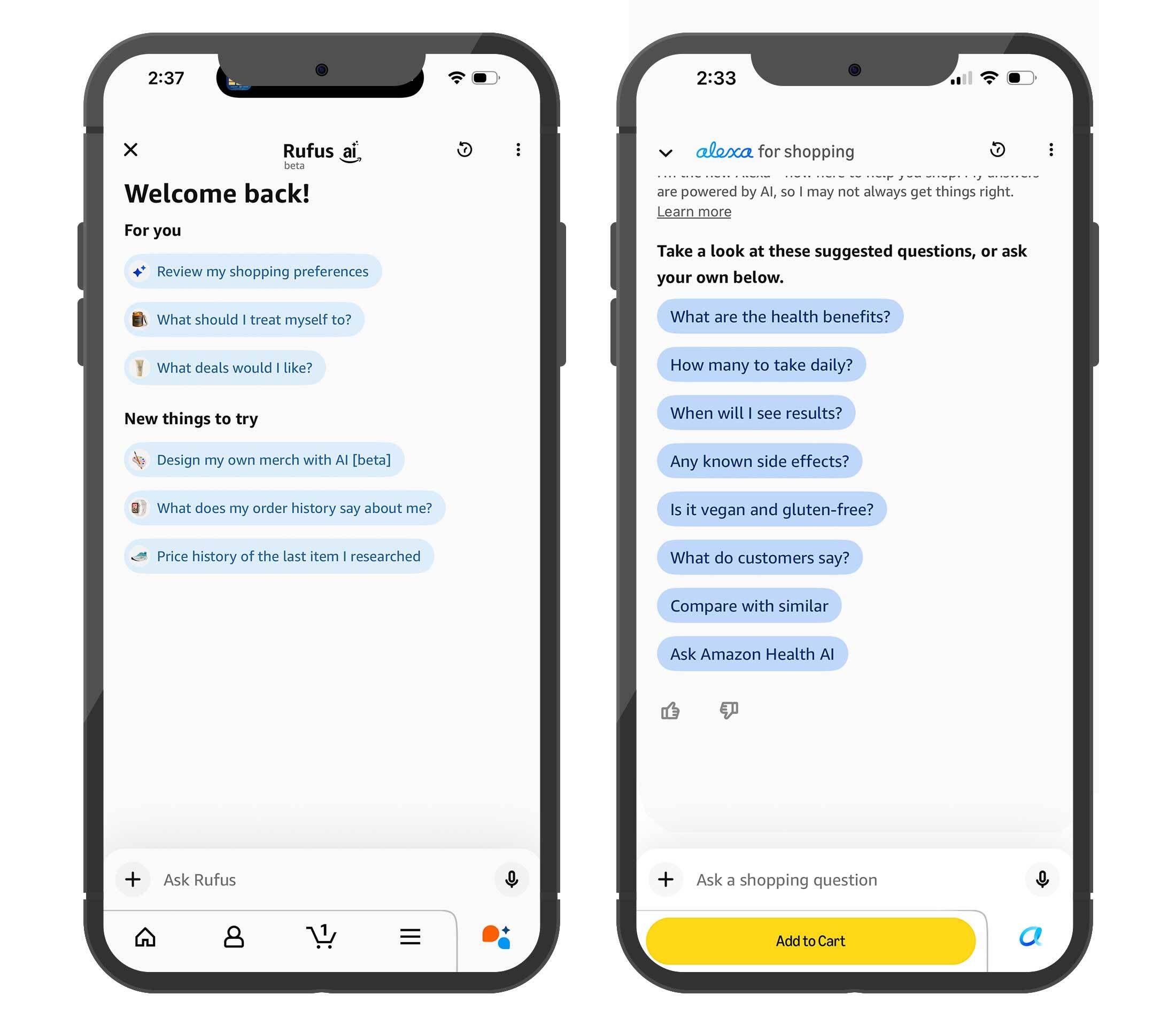
Amazon has spent the last year rebuilding Alexa around generative AI through Alexa+, its upgraded assistant designed for more conversational and multi-step interactions. At the same time, Rufus was evolving into a more capable shopping agent inside Amazon’s marketplace.
Operationally, the two products were beginning to blur together.
As independent e-commerce analyst Juozas Kaziukėnas noted in the reporting, Amazon essentially had “two assistants that seemingly can do similar things.”
Consolidating them under Alexa creates a cleaner consumer experience and a stronger long-term AI identity.
And importantly, Amazon is no longer hiding the experience behind a secondary interface.
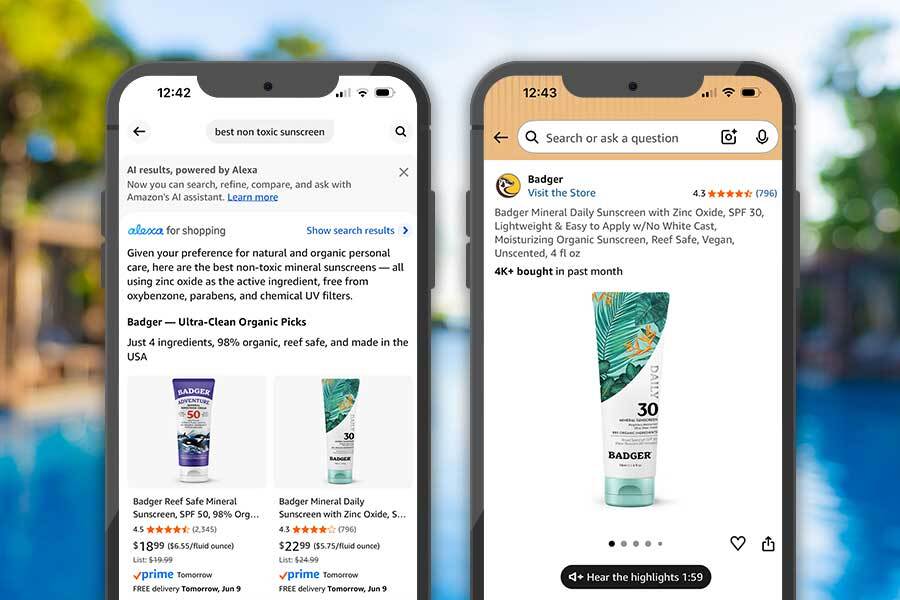
Previously, shoppers had to click into Rufus separately through a chat icon. Now, AI-generated responses and conversational prompts are moving directly into the main search bar itself.
That is a major shift.
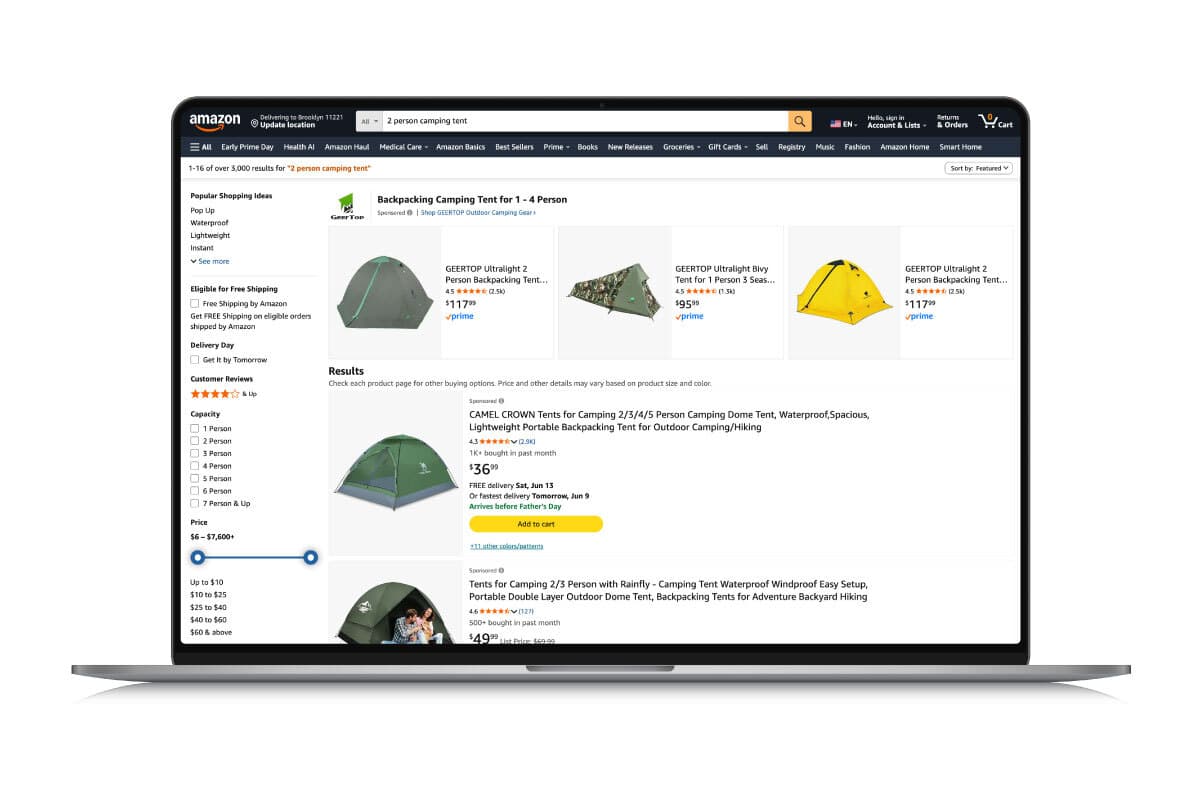
Amazon Search is some of the most valuable real estate in e-commerce. Integrating AI directly into that experience suggests conversational shopping is no longer experimental infrastructure. It is becoming core marketplace behavior.
The numbers also suggest Amazon has confidence in adoption:
- Rufus reportedly reached 300 million customers in 2025
- Customers using Rufus were 60% more likely to complete a purchase
- Amazon said the tool helped drive nearly $12 billion in incremental annualized sales
Amazon Is Building Toward Ambient Commerce
This move also aligns with a larger trend happening across tech:
AI assistants are becoming infrastructure.
Consumers may not care which model powers the interaction. They care whether the assistant feels useful, personalized, and frictionless. That is why the branding matters.
Amazon likely does not want separate consumer-facing AI identities competing internally:
- Alexa for the home
- Rufus for shopping
- Separate AI interfaces across devices
That creates fragmentation. A unified Alexa experience creates scale.
It also creates more opportunities for Amazon to integrate shopping behavior across voice, mobile, desktop, Fire TV, and future AI surfaces without retraining users on new product names.
In other words, this is probably less about replacing Rufus and more about operational consolidation around a stronger consumer identity.
The AI layer remains, but the wrapper changes.
What Brands Should Take From This
Amazon appears to believe the future of shopping will not happen through standalone AI tools. It will happen through interfaces consumers already use, trust, and interact with daily.
That has major implications for how discovery evolves on Amazon.
As conversational shopping becomes more embedded directly into search, product discovery becomes less dependent on exact keyword matching alone and more dependent on context, relevance, product attributes, reviews, pricing, and overall customer experience signals.
Consumers are no longer just searching. Increasingly, they are asking. And AI assistants are deciding what products deserve to surface inside those conversations.
That creates a very different environment for brands competing on Amazon.
The winners may not simply be the brands with the most aggressive bidding strategies or the broadest keyword coverage. They may be the brands whose products are easiest for AI systems to confidently recommend.
Because ultimately, Amazon did not kill Rufus.
It simply realized that AI shopping only scales when consumers already trust the assistant speaking to them.